Recording of keynote at T.M.C Asser Institute, The Hague, October 27th, now available

On 26 and 27 October 2023, the T.M.C Asser Institute in The Hague hosted the 2023 edition of the International Sports Law Journal (ISLJ) Conference. I delivered the keynote lecture on day 2 titled “Eligibility criteria to compete in the female category: Values, norms and evidence”.

Abstract

There is a fundamental tension intrinsic in athletics: human sex is not binary, and there are only two categories in which people can compete: men, and women. In the late 1990s, all forms of sex testing had been abandoned by the International Olympic Committee due to some high-profile false positive cases. After a brief interval, sex testing re-emerged in 2009 with the case of South-African runner Caster Semenya, whose gold medal at the World Track & Field Championship in Berlin was revoked on suspicion of an unfair advantage derived from a “male biological make-up”. Following an investigation, in May 2011, World Athletics (WA)  enacted ‘Hyperandrogenism regulations’ which require that female athletes with endogenous testosterone levels above 5 nmol/Lit take androgen suppressive therapy as a condition to compete in the female category.   Since the original formulation, the WA Hyperandrogenism regulations have undergone multiple iterations, the most recent one in March 2023, and have been at the centre of three high profile legal disputes, two at the Court for Arbitration of Sport also known as the “Supreme Court for Sports” (2015; 2019), and one at the European Court of Human Rights (2023). Another one is forthcoming at the Grand Chamber of the European Court of Human Rights in 2024. In this talk I review the evidence, values and norms underlying the World Athletics regulations to compete in the female category for athletes with DSD.

The recording is now available here.
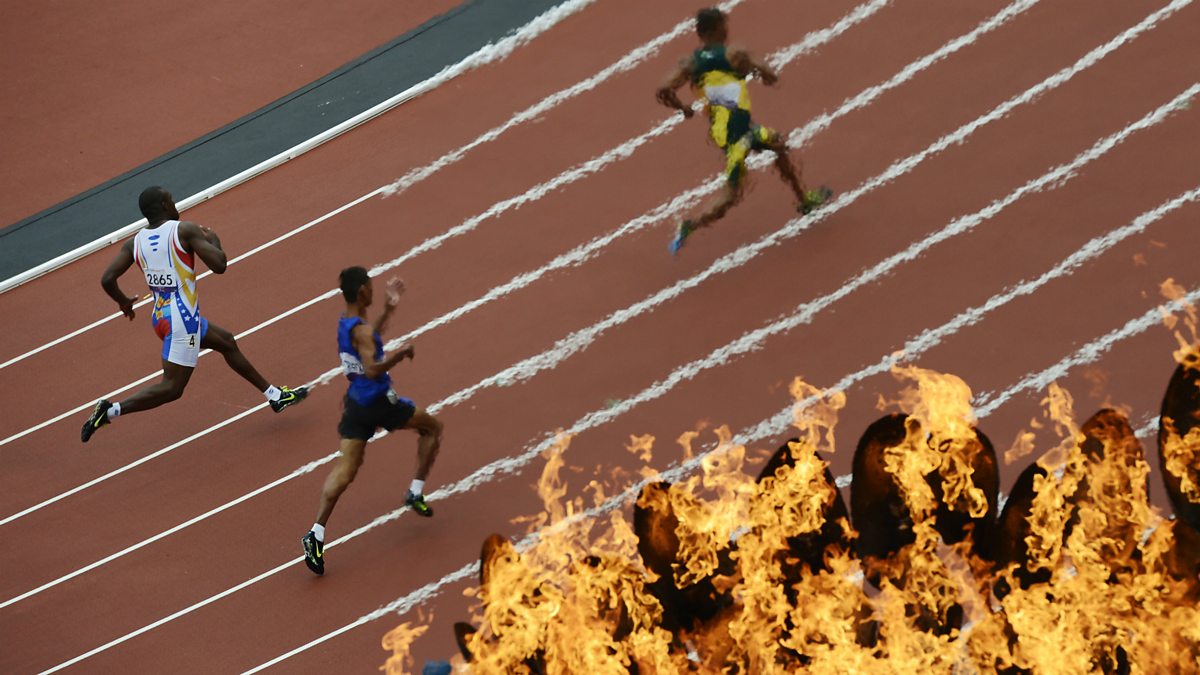
Ultimo colpo di scena nella vicenda di Caster Semenya: la Corte Europea per i Diritti Umani riesaminerà da capo il caso Semenya vs. Svizzera

.

Ultimo colpo di scena nella vicenda dell’atleta sudafricana Caster Semenya che va avanti dall’agosto del 2019.

Il 7 novembre 2023 la Corte Europea per i Diritti Umani (European Court for Human Rights, ECHR) ha affermato che prenderà in considerazione l’appello del Tribunale Federale Svizzero contro la decisione della stessa ECHR presa qualche mese fa.

L’11 luglio del 2023 la Corte Europea per i Diritti Umani aveva emesso la tanto attesa sentenza (dopo 2 anni e mezzo!) riguardo al caso Semenya e aveva affermato, sulla base di una decisione raggiunta con una maggioranza di 4 voti a 3, che l’atleta sudafricana era stata discriminata sulla base della violazione di tre articoli della Convenzione Europea per i Diritti Umani:

  1. articolo 14: divieto di discriminazione,
  2. articolo 8: diritto al rispetto della vita privata,
  3. articolo 13: diritto a un ricorso effettivo.

Qual è il significato di questo ultimissimo colpo di scena nella vicenda di Caster Semenya, che va avanti dall’agosto del 2009?

Il significato è che si ricomincia da zero: ora toccherà alla Grand Chamber della ECHR, la camera principale, composta di 17 giudici (contro il 7 che avevano emesso la sentenza di giugno) esaminare il caso Semenya vs. Switzerland (application no. 10934/21).

Gli esiti di questa riesamina possono essere i più disparati: da una riconferma della sentenza di luglio 2023 (possibile anche con una maggioranza più netta, e con una decisione che coinvolga altri articoli della Convenzione, compreso l’articolo 3, il diritto all’integrità della persona); oppure a un ribaltamento della sentenza di discriminazione ai danni di Semenya.

È tutto da vedere. La decisione della Grand Chamber sarà quella finale.

Per saperne di più, ci sono altri 8 reel (numerati) che ripercorrono la vicenda Semenya e che puoi trovare sul mio sito personale di ricerca a questo link: https://shorturl.at/bezTZ

Seguimi sulla mia pagina instagram silviacamporesibioetica per restare aggiornato sulla questione dell’eredità culturale di Semenya per il diritto internazionale sportivo.

##castersemenya  #humanrights #ECHR #Semenya #SemenyavsSwitzerland #dirittiumani #eticasportiva

ICGEB (Triest) International Seminar & book launch Friday November 10th

Delighted to be heading back to ICGEB Triest in a few days for a double appointment on Friday, November 10th.

In the afternoon, at 3 pm CET I will be delivering a seminar (in English) as part of the ICGEB International Seminar Series, with title “Bioethics and Sport: Evidence, Values and Norms underlying competition for athletes” (abstract below). It will be possible to follow the seminar in hybrid mode. If you’d like to receive the zoom link please email seminars@icgeb.org in advance of the meeting.

Abstract

There is a fundamental tension intrinsic in athletics: human sex is not binary, and there are only two categories in which people can compete: men, and women. In the late 1990s, all forms of sex testing had been abandoned by the International Olympic Committee due to some high-profile false positive cases. After a brief interval, sex testing re-emerged in 2009 with the case of South-African runner Caster Semenya, whose gold medal at the World Track & Field Championship in Berlin was revoked on suspicion of an unfair advantage derived from a “male biological make-up”. Following an investigation, in May 2011,World Athletics (WA) enacted ‘Hyperandrogenism regulations’ which require that female athletes with endogenous testosterone levels above 5 nmol/Lit take androgen suppressive therapy as a condition to compete in the female category. Since the original formulation, the WA Hyperandrogenism regulations have undergone multiple iterations, the most recent one in March 2023, and have been at the centre of three high profile legal disputes, two at the Court for Arbitration of Sport also known as the “Supreme Court for Sports” (2015; 2019), and one at the European Court of Human Rights (2023). In this talk I will provide a bioethics and sport approach to the question of unfair advantage and eligibility to compete in the female category for athletes with DSD, reviewing the evidence, values and norms underlying the World Athletics regulations to compete in the female category for athletes with DSD.

#testosterone #worldathletics #fairness #values #competition #ethics #sport

In the evening at 6 pm CET I will be presenting my book (in Italian) in conversation with the absolutely fantastic Suzanne Kerbavcic, at the LOVAT bookstore (Stabile Oviesse, V.le Venti Settembre, 20, 34125 Trieste)

https://www.librerielovat.com/ev/event/silvia-camporesi/

The presentation is open to all and there’s no need to book in advance.

Hope to see many familiar faces, and meet new ones, next Friday in Triest!