World, We’ve Got This Podcast episode 7, season 3: “In conversation about a future with no humans as we know them”

In this episode of World, We’ve Got This (season 3, episode 7, aired  January 28th, 2022), Sara Dahlen, a PhD candidate in Bioethics & Society and Dr Silvia Camporesi, Reader in Bioethics and Health Humanities, discuss an imagined future in which “there will be no humans as we know them”, humanity’s relationship with nature and technology, and explore some of the bioethical questions facing us today.

Sara’s essay, “Notes to No-One”, won the 2021 King’s Biotechnology & Society Essay Contest and imagines a future after an ecological collapse where humanity has almost been destroyed by climate change, wildfires and endocrine disruptions.

You can read Sara’s essay, and find out more about the Biotechnology and Society research group on the King’s website.

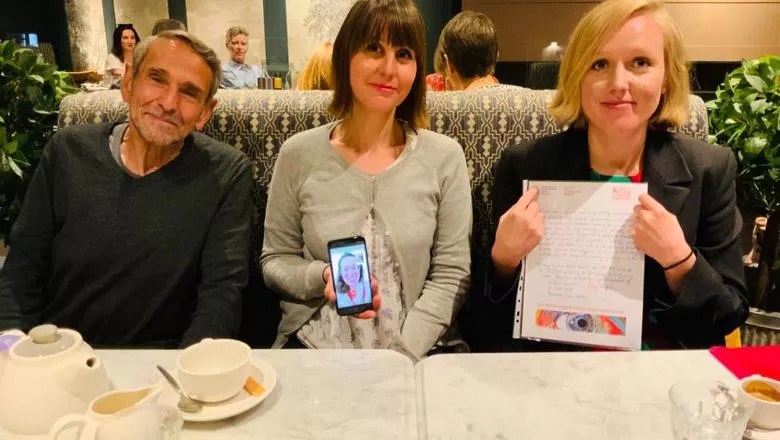
From left to right: Professor John Harris (chair of writing essay contest), Dr Sara Bea (Chair of Biotechnology & Society Research Group), Dr Silvia Camporesi (Director, Bioethics & Society MSc, joining remotely), and Dr Sara Dahlen (winner of 2021 Biotechnology & Society Essay Contest).

You can listen to this episode of World, We’ve Got this: here:

https://shows.acast.com/worldwegotthis/episodes/in-conversation-about-a-future-without-humans

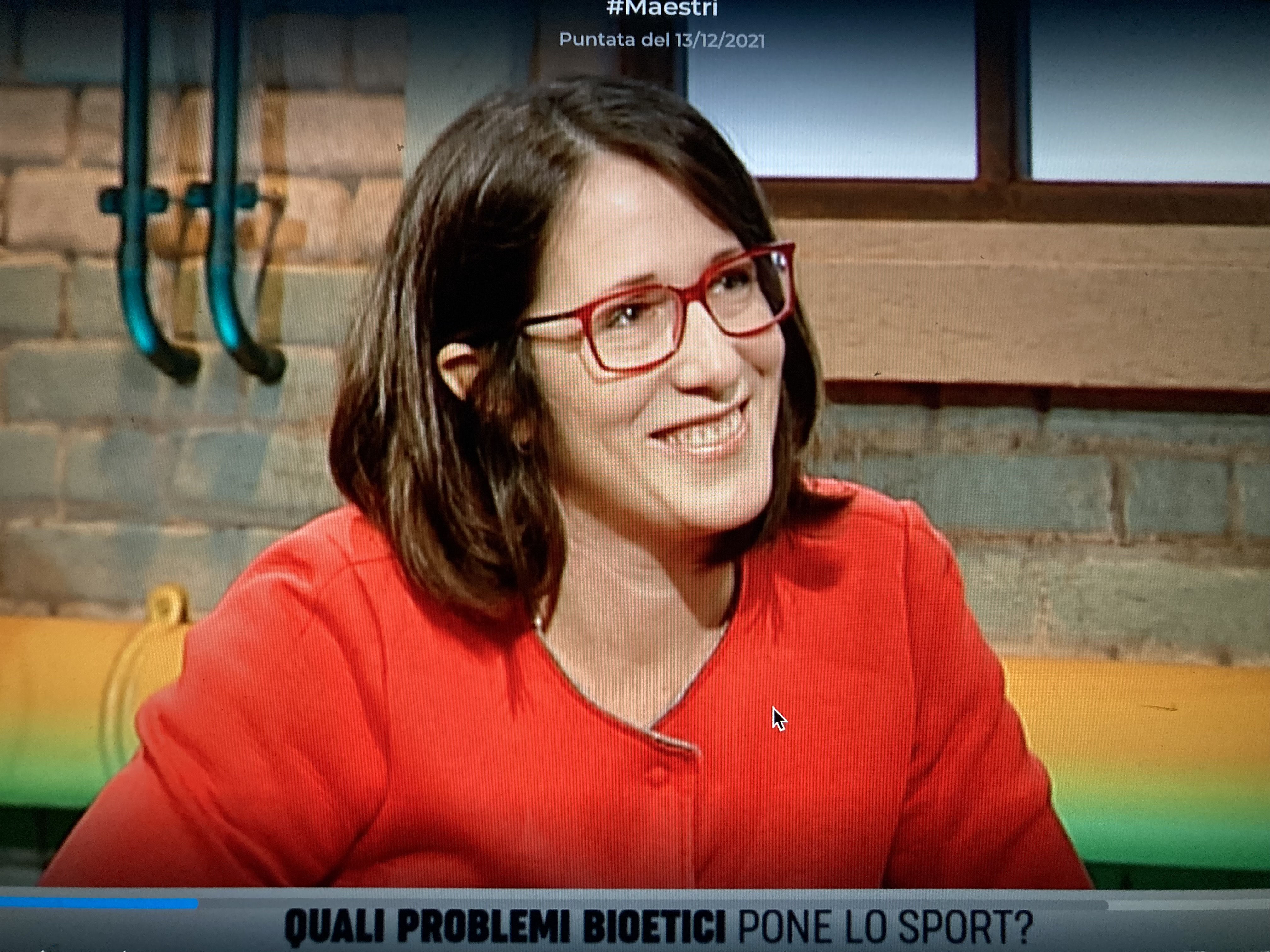
Partecipazione a #Maestri2021

…una piccola lezione in italiano su cos’è la bioetica, secondo me. Puntata del 13.12.21
Poi con #edoardocamurri parliamo di sport, doping, e modificazioni del genoma umano.

#bioetica&sport #gender&sport #castersemenya#dopinggenetico#crispr#genomeediting

Disponibile su RaiPlay:

https://www.raiplay.it/video/2021/12/Maestri-cffe92e6-d072-40fe-a2c9-935620fea6b4.html

oppure sulla pagina di Raiscuola qui:

https://www.raiscuola.rai.it/scienzemotorie/articoli/2021/12/Silvia-Camporesi-a-Maestri–d457f434-b646-4e8f-a1bc-6dcb2674c711.html

UCSF Medical Cultures Lab Seminar: Mobilization of expert knowledge and advice for the management of the COVID-19 pandemic in Italy

by Silvia Camporesi, PhD
April 13, 2021
10:10 -11:30 am Pacific Time (6:10-7:30 pm British Standard Time)

Join Zoom here

Dr. Camporesi will present her work, as part of the larger ESCAPE project, on the mobilization of expert knowledge and advice for the management of the COVID-19 pandemic in 2020 in Italy. The research aimed to evaluate the role played by expert advisory bodies during the COVID-19 outbreak in Italy in 2020, and to understand how expert advice (mainly, although not exclusively, scientific) has been sought for, produced and utilized in the design and implementation of COVID-19 measures in Italy, across the first and second wave in 2020. Dr. Camporesi investigated discrepancies between pre-existing pandemic plans and the coping strategies that emerged during the pandemic, as well as the dynamic relation between the different institutions and expert bodies involved in the pandemic response. The Italy case study is particularly interesting as Italy represents the first country in the Western world having to face and manage the SARS-CoV-2 outbreak in 2020.

Bio: Silvia Camporesi, PhD, is Associate Professor of Bioethics at King’s College London, where she is the Director of the MSc in Bioethics & Society. Dr. Camporesi is an interdisciplinary scholar at heart, with a longstanding interest in emerging biotechnologies and health. She was trained first in biotechnology (University of Bologna) and later in philosophy of medicine (King’s College London). In 2011/12, she was a visiting research fellow in the Department of Social Sciences & Humanities at UCSF (formerly known as Department of Anthropology, History and Social Medicine).

Dr. Camporesi has worked on questions of public trust in expert knowledge in a variety of contexts; on the question of ethical expertise, and written on the topic of intergeneration ethics conflicts and ethical justification of public health policies in the pandemic.

With Professor Federica Angeli, at the University of York, she is study lead for Italy for the ESCaPE research project: ‘EScAPE COVID-19: Evaluating Science Advice in a Pandemic Emergency’